

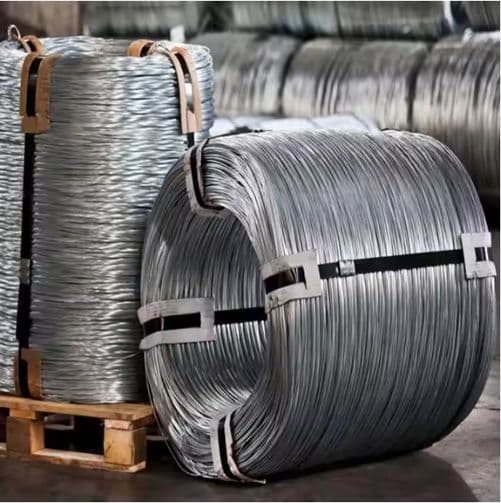
Galvanized Steel Wire for Telecom & Communication Cable
Telecom and communication cables need armour that protects against rodent attack, crush and installation damage without adding excess weight. Galvanized steel wire delivers reliable mechanical protection with a smooth surface and consistent tensile strength for high-speed stranding.
Zhongbo supplies soft galvanized armour wire sized for signal, telecom and FTTx feeder cables, with uniform zinc coating to ASTM A641 and EN 10244-2.
Communication networks are expected to stay reliable for decades, often in ducts shared with power cables or buried in rodent-prone ground, so the armour must protect the cable without adding weight that complicates installation. We size the wire and coating to the cable and the route, so it strands fast on your line and lasts in the field.
Challenges in telecom & communication cable
Telecom cable makers need armour that runs fast on the line and protects the network for the long term. The issues we solve:
- Rodent attack, crush and installation damage that a light or brittle armour cannot resist.
- Snags and uneven armour from inconsistent surface finish during high-speed stranding.
- Excess weight from over-specified armour that complicates handling and installation.
- Corrosion in ducts and buried routes when the zinc coating is thin or uneven.
- Tensile variation batch to batch that interrupts an automated stranding line.
Where it is used
Communication cable armour protects networks that must stay reliable for decades, often in ducts, along routes shared with power, or in rodent-prone ground.
Signal, telecom and FTTx feeder cables all use armour wire, but the size and coating shift with the route. An urban duct network mainly needs crush resistance; a rural direct-buried feeder faces rodents and ground moisture; and routes shared with power cables have to tolerate the mechanical and thermal conditions of that trench. We supply the small, smooth-drawn diameters these cables use, coated for the environment they run in, so one wire family covers a whole network build rather than forcing a different supplier for each cable type.
- Telecom and signal cables
- Communication and data feeder cables
- FTTx and access-network cabling
- Duct and direct-buried communication routes
Consistency for high-speed stranding
Smooth, consistent wire prevents snags and uneven armour during high-speed stranding, and a uniform zinc coating gives long corrosion protection. We control tensile strength and surface finish batch to batch so your line runs without interruptions.
Sizing armour to the cable and route
The right armour for a communication cable depends on both the cable and where it runs. A lightweight duct cable in a protected route needs only a thin wire layer for crush resistance, while a direct-buried feeder in rodent-prone or shared-services ground needs a heavier, more robust armour. Getting this balance right keeps the cable protected without making it stiff or heavy to pull.
We size the wire diameter and coating from your cable construction, the installation method and the environment, and confirm it against the cable standard. Because we control tensile and surface finish batch to batch, the armour strands consistently whatever the size, so your line runs at speed without adjusting for coil-to-coil variation. Send the cable diameter, the route and the standard, and we will recommend a wire size and coating class and supply samples for a trial run.
Standards & compliance
Communication cable armour wire is specified to ASTM A641, EN 10244-2 or JIS G 3547, which fix the coating class and tolerance by diameter. Zhongbo manufactures and tests to these standards or to your cable specification, with a mill test certificate covering diameter, tensile and zinc-coating weight per batch. Send the cable standard and diameter and we will confirm the wire size and coating.
Why telecom & communication cable buyers choose Zhongbo
Telecom cable manufacturers choose us because the wire runs without interruptions and protects the network for its full life. What sets it apart:
- Smooth, consistent surface finish that strands snag-free on high-speed lines.
- Uniform zinc coating for long corrosion protection in ducts and buried routes.
- Tensile strength and diameter controlled batch to batch, so the line runs without stops.
- Diameters sized for signal, telecom and FTTx feeder cables, from 0.8–4.0 mm.
- Mill test certificates and pre-shipment inspection on request for your incoming QA.
Typical Specifications
| Wire diameter | 0.8 – 4.0 mm (typical for communication cable) |
| Zinc coating | Standard / heavy galvanized (g/m², as specified) |
| Tensile strength | Controlled, consistent batch to batch |
| Standards | ASTM A641 · EN 10244-2 · JIS G 3547 |
| Surface | Smooth, snag-free, unwinding-free |
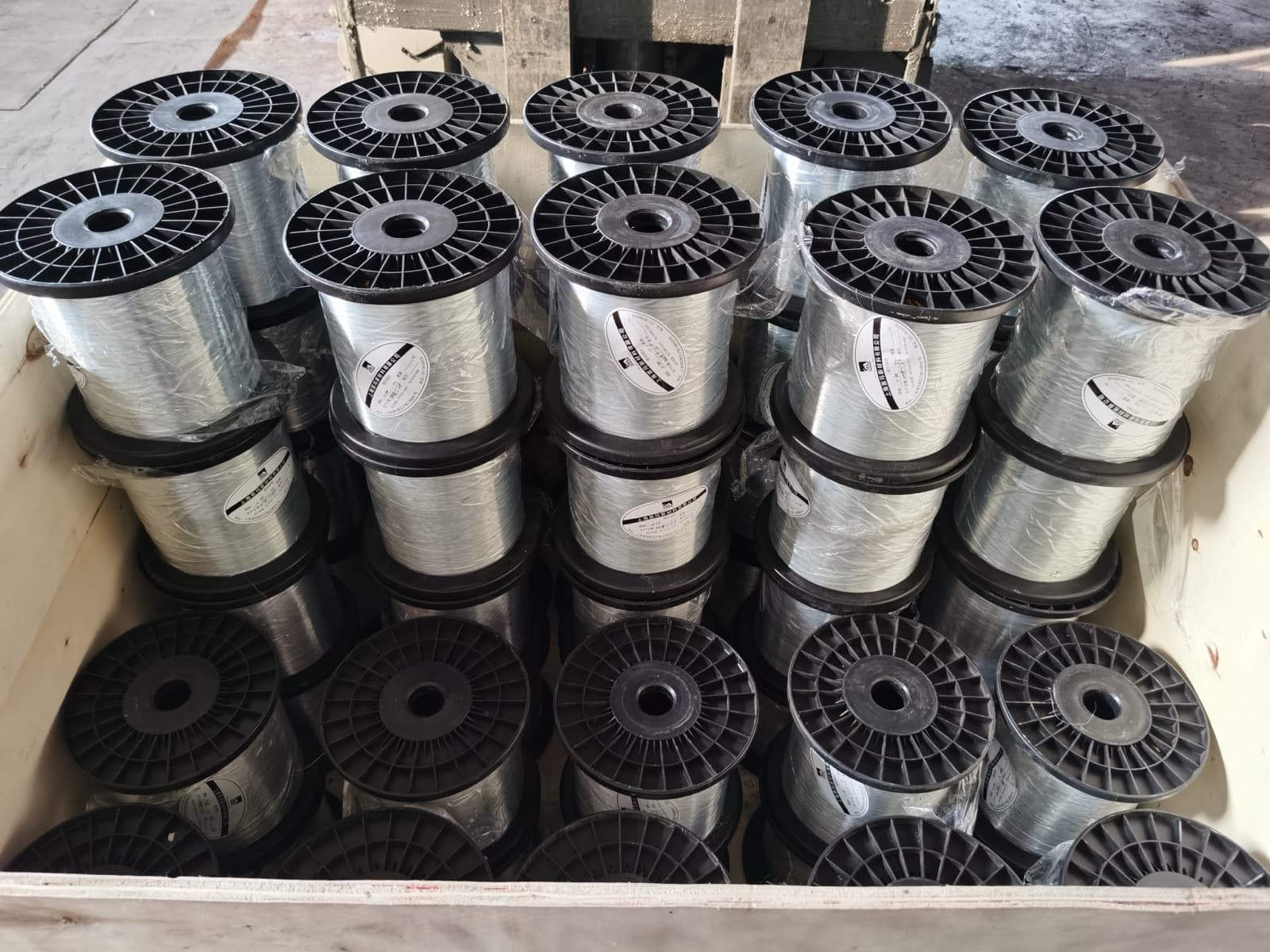
| Packing | Coils / spools, export sea-freight packing |
Frequently asked questions
What wire diameter is used for communication cable armour?
Communication and telecom cables typically use smaller diameters (about 0.8–4.0 mm), selected from cable size and the level of protection required.
Can you supply consistent tensile strength for high-speed stranding?
Yes. Tensile strength and surface finish are controlled batch to batch through annealing and tension control so the wire strands smoothly without breaks.
Does galvanized armour protect telecom cable from rodents?
Yes — the steel wire armour provides a hard mechanical barrier against rodent attack and crush, and the zinc coating protects the steel from corrosion in ducts and buried ground.
What is the lightest armour you can supply for communication cable?
We supply small-diameter wire from about 0.8 mm, so the armour gives mechanical protection without adding unnecessary weight. The exact size is chosen from the cable diameter and required protection.
Can you supply to a specific telecom cable standard?
Yes — ASTM A641, EN 10244-2, JIS G 3547 or your own cable specification, with test certificates against the named standard.