

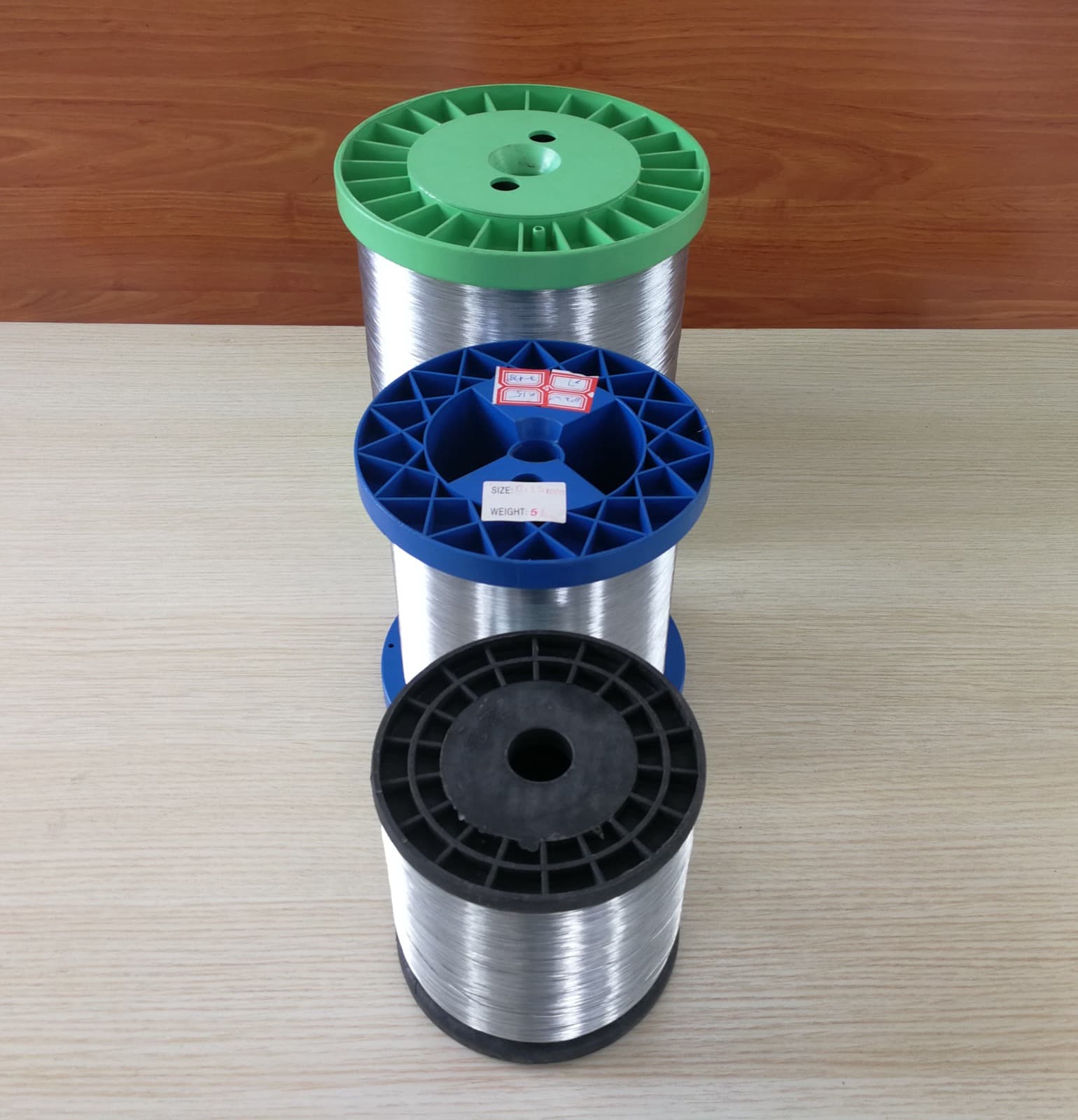
Galvanized Steel Wire for Submarine & Undersea Cable Armouring
Submarine and undersea cables face the most aggressive conditions of any application — constant saltwater immersion, seabed abrasion and high installation stress. The armour wire must combine controlled tensile strength with an extra-high, uniform zinc coating for decades of service.
Zhongbo supplies submarine cable armour wire with standard, heavy and extra-high zinc coating options, produced under controlled annealing and ceramic zinc-pot conditions.
A submarine cable can lie on the seabed for thirty years or more, and recovering a failed one is enormously expensive, so the armour is judged on corrosion margin and documentation as much as on strength. We supply wire with the coating mass, adhesion and tensile consistency that marine projects demand, and the test reports to prove it.
Challenges in submarine & undersea cable
Submarine armour faces the harshest service of any cable wire, so every property is scrutinised. The challenges we address:
- Constant saltwater immersion that quickly corrodes any armour with a thin or poorly-adhered coating.
- Seabed abrasion and burial stress that demand controlled tensile strength and a tough surface.
- High tension during cable-laying that the armour must carry without failing.
- Strict third-party inspection and documentation that many wire suppliers cannot support.
- Coating mass and adhesion that must be verified, not just claimed, for a decades-long design life.
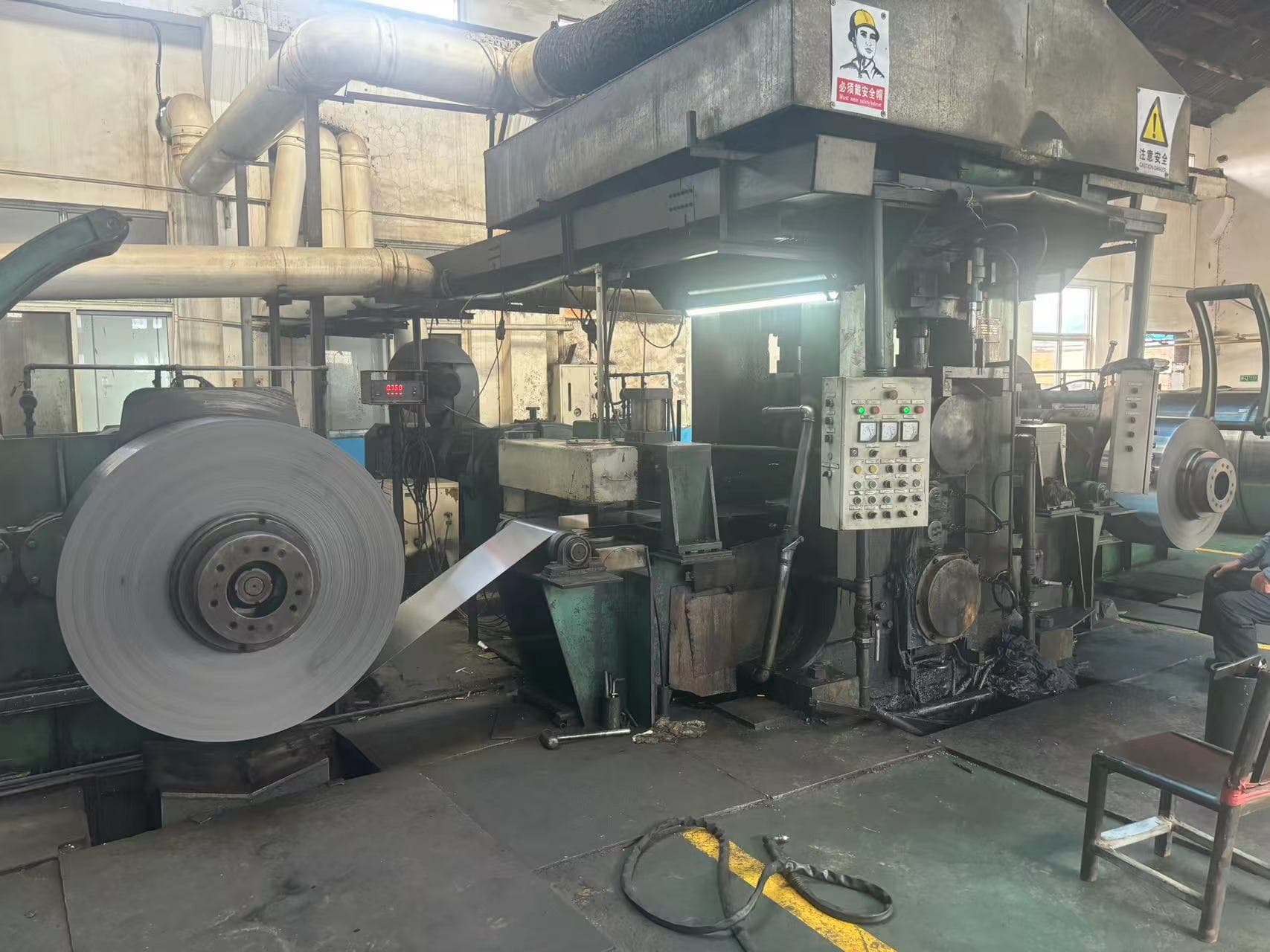
What decides undersea service life
Undersea armour is judged on four things above all: coating mass, coating adhesion, surface smoothness and tensile consistency. Coating mass sets how much zinc there is to corrode before the steel is exposed; adhesion decides whether that zinc stays put through cable-laying and seabed movement; a smooth surface avoids the local thin spots where corrosion starts; and consistent tensile lets the armour share the laying load evenly across every wire.
These are the factors that decide whether a cable lasts its full design life in seawater, so we control them through the process rather than by sorting at the end. Constant saltwater immersion, seabed abrasion and the high tension of cable-laying all punish any weakness in them, which is why undersea projects specify and verify each one so carefully.
Coating and tensile control
Coating uniformity is controlled by our ceramic zinc pot and nitrogen wiping, with post-coating cooling to lock in adhesion. Tensile strength is matched to your project standard, and salt-spray and coating-mass reports are available for verification.
Verification and inspection
For a cable meant to last thirty years on the seabed, undersea projects verify the armour rather than take it on trust, and we are set up to support that. Every batch can carry coating-mass, tensile and salt-spray reports, so the coating and strength that decide service life are documented rather than assumed, and traceable back to the coil they came from. That paper trail is often what separates a wire that can go on a funded marine project from one that cannot.
Where the project requires it, we arrange SGS, BV or customer-designated third-party inspection to witness testing and shipment, and we pack the wire for seaworthy export to the project site, often on the other side of the world. Agree the project standard and the inspection and documentation plan with us up front, and we will build, test and certify the wire to it, so the records the cable maker and the end client need are complete and consistent when the wire ships rather than reconstructed afterwards.
Standards & compliance
Submarine cable armour wire is produced to AS/NZS 4534, BS EN 10244-2, ASTM A641, JIS G 3547 or GB/T 15393, plus customer-specific test plans. Zhongbo manufactures to your project standard and supplies coating-mass, tensile and salt-spray reports, with SGS, BV or customer-designated inspection arranged on request. Share the project specification and we will confirm the coating class and documentation.
Why submarine & undersea cable buyers choose Zhongbo
Submarine and undersea projects choose us because the coating is verified and the documentation is complete. What sets our wire apart:
- Standard, heavy and extra-high zinc coating options for the longest immersed service life.
- Coating uniformity and adhesion controlled by a ceramic zinc pot, nitrogen wiping and post-coating cooling.
- Tensile strength matched to the project standard for cable-laying and seabed stress.
- Coating-mass, tensile and salt-spray reports supplied for verification.
- Third-party inspection (SGS, BV or customer-designated) arranged, with seaworthy export packing.
Typical Specifications
| Armouring size | 1.5 – 6.0 mm (overall 0.15 – 8.0 mm) |
| Zinc coating | Standard / heavy / extra-high (confirm to standard) |
| Tensile strength | 380 – 850 MPa (project-dependent, to verify) |
| Standards | AS/NZS 4534 · BS EN 10244-2 · ASTM A641 · GB/T 15393 |
| Quality proof | Coating-mass, tensile & salt-spray reports |
| Packing | Seaworthy export packing, coils / spools |
Frequently asked questions
What zinc coating is available for submarine cable armouring wire?
Standard, heavy and extra-high hot-dip zinc coating are available. Submarine and undersea applications usually require heavy or extra-high coating; the exact g/m² is confirmed against your project standard.
Which standards can the wire be produced to?
AS/NZS 4534, BS EN 10244-2, ASTM A641, JIS G 3547 and GB/T 15393, plus customer-specific test plans. Coating, tensile and salt-spray reports can be supplied.
How thick is the zinc coating on submarine armour wire?
Submarine and undersea applications usually require heavy or extra-high coating mass; the exact g/m² is set by your project standard and confirmed on the mill test certificate.
Can you provide salt-spray test results?
Yes — salt-spray, coating-mass and tensile reports can be supplied per batch, and third-party inspection arranged for verification.
Do you support third-party marine inspection?
Yes — SGS, BV or a customer-designated inspector can witness testing and shipment, with the supporting coating and tensile documentation.